The Welfare Dividend: Why Site Facilities Belong in the Fit-Out Plan
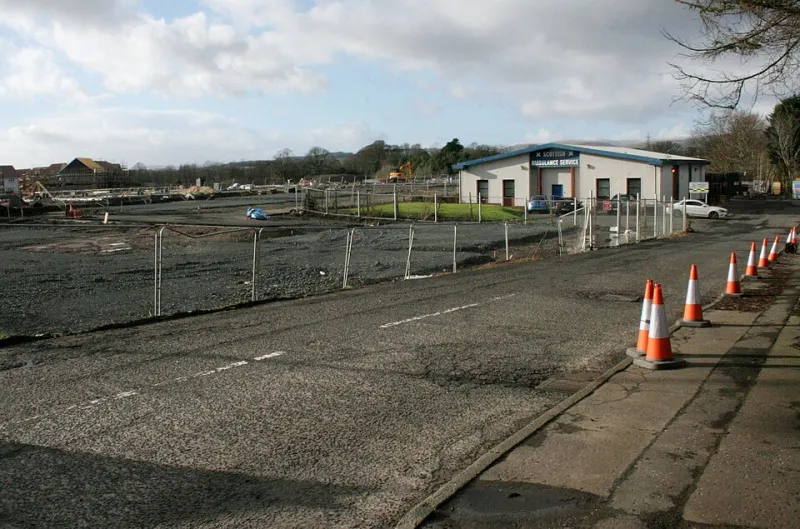
Photo: Richard Sutcliffe , CC BY-SA 2.0, via Wikimedia Commons
Welfare is sometimes treated as the least glamorous line in the site setup budget. It is also one of the most reliable indicators of how a fit-out will run. A crew with a clean toilet, a dry place to change and a proper table to eat at works differently from a crew making do. The difference shows up in punctuality, concentration, retention and, ultimately, in the quality of the finished space.
Welfare is a programme issue
On a fit-out, welfare is often squeezed into whatever space is left over. That is a mistake. The location and capacity of toilets, canteens, drying rooms and rest areas affect how people move around the site, how long breaks take and whether subcontractors can work efficiently. If the canteen is three floors away from the workface, breaks expand. If there is nowhere to dry wet PPE, crews either work in damp clothing or stop. Neither is acceptable.
Planning welfare at the same time as access, storage and waste routes puts it in the right place. On a multi-storey commercial fit-out, that may mean a welfare stack that moves as the project progresses. On a residential refurbishment, it may mean protecting an existing bathroom and specifying how it will be cleaned and maintained. In both cases, welfare is part of site logistics, not an afterthought.
What CDM 2015 expects
The Construction (Design and Management) Regulations 2015 require suitable and sufficient welfare facilities to be provided from the start of the project and maintained until completion. The detail is set out in Schedule 2, which covers sanitary conveniences, washing facilities, drinking water, changing and drying facilities, and rest facilities. The regulations are not a tick-box exercise; they describe what a reasonable client and contractor should provide so that people can work without risking their health.
In practice, that means more than a portable toilet at the gate. On a fit-out site, the assessment should consider the number of workers, the duration of the project, the shift patterns, the availability of existing facilities and the nature of the work. Hot works, dusty activities and food preparation areas may require additional washing provision. Where existing facilities are used, they need to be maintained to the same standard as temporary ones, with clear arrangements for cleaning and repair.
The HSE's guidance is clear that welfare should be available whenever someone is on site, including during early starts, late finishes and weekend work. That has implications for cleaning rotas and for the handover of welfare between trades. A facility that is clean at 8am and unusable by 3pm is not suitable and sufficient.
Drying rooms and the weather problem
The UK climate makes drying facilities a practical necessity rather than a luxury. Fit-out crews often work in buildings with limited heating, and external works can mean wet clothing and PPE. A drying room with adequate ventilation, hanging space and gentle heat prevents the familiar cycle of damp gloves, cold hands and reduced dexterity. It also protects the building from moisture carried in on clothing and equipment.
The investment is modest compared with the cost of lost time. A designated drying area can be created in a vacant room with a lockable door, a dehumidifier and a simple drying rack. The important points are ventilation, security and a clear rule that wet kit does not go into the canteen or rest area. On heritage projects, where historic fabric is sensitive to moisture, that separation is even more important.
Canteens and rest areas: the productivity case
A canteen is not simply a room with a kettle. It is the place where crews take a proper break, eat away from the workface and talk to each other. That matters for safety as well as morale. Eating in a work area exposes people to dust and contaminants; taking a break in a comfortable space helps them return with better concentration.
A practical fit-out canteen needs tables and chairs, a clean surface for food preparation, hot water, a microwave where agreed, and adequate waste bins. It should be separated from work activities and kept clean. On smaller projects, a shared rest area may be sufficient, but it still needs to be planned and maintained. The Considerate Constructors Scheme places weight on welfare because it reflects how a site treats its people; clients notice it too.
Clean toilets and the dignity factor
Toilets are the most visible test of a site's standards. Clean, well-lit toilets with running water, soap and hand-drying facilities are a basic expectation. Where separate facilities are required, they should be clearly signed and maintained. On live-site fit-outs, the temptation to use client facilities can create friction; a clear agreement about which facilities are available, who cleans them and how they are protected is essential.
The dignity factor is real. Workers who feel that their basic needs are respected are more likely to stay with a project and to recommend the contractor to others. In a tight labour market, that matters. Retention is not only about pay; it is about whether the site is a reasonable place to spend a working day.
Planning welfare around live sites
Live-site refurbishments present particular challenges. Existing toilets may be in use by building occupants. Temporary facilities may need to be sited in shared areas. Deliveries and waste collections may restrict access. The welfare plan should be agreed with the client and, where relevant, the building manager before work starts. It should identify the facilities, their location, the cleaning regime and the arrangements for restocking.
A simple welfare checklist can be included in the site induction and reviewed at progress meetings. Are toilets clean and stocked? Is the drying room working? Is drinking water available? Is the canteen free from dust and clutter? These questions take minutes to ask and can prevent days of lost productivity.
The return on a basic investment
Welfare is not a soft issue. It affects whether people turn up on time, whether they stay on the job and whether they can work safely through a British winter. The cost of proper facilities is small compared with the cost of absenteeism, poor morale and the rework that follows tired or uncomfortable work.
For fit-out teams, the message is straightforward: put welfare in the plan, give it a budget and treat it as part of the programme. The crew will notice. The client will notice. And the finished job will be better for it.