Skips, Slots and Second Lives: Logistics That Keep Fit-Out Waste Off the Critical Path
Waste is the part of a fit-out that everyone assumes will sort itself out. A skip arrives, the strip-out crew fills it, it goes away. That assumption holds on an open site with a generous yard. It collapses on a third-floor demise in a city centre building with a single goods lift, a shared loading bay and a neighbouring tenant who has views about noise before nine o'clock.
Treating waste as a logistics discipline rather than an environmental afterthought changes the numbers in two directions at once. It reduces the standing time that quietly eats a programme, and it cuts the number of collections paid for at short notice because the wrong container filled up first.
Why the Container Belongs on the Programme
Every skip, bag and crate occupies a slot in a sequence. If the metal skip is removed before the plasterboard stage, the plasterboard has nowhere to go. If the mixed-waste container sits on the only turning circle, deliveries cannot reach the door. These are not marginal concerns; on constrained urban sites they are the difference between a flowing first fix and a week of improvisation.
Placing waste movements on the programme, with dates and vehicle types, forces three questions early: where the container will stand, when it will be exchanged, and who signs the ticket. Teams that answer these before mobilisation spend noticeably less time chasing hauliers mid-week.
The Pre-Start Audit Does the Heavy Lifting
A short survey before strip-out begins repays its cost several times over. Walk the space and record what is actually there: raised floors, ceiling tiles, mineral wool, metal stud, cable, sanitaryware, doors, glazing, mechanical plant. Note anything that might have a second life — reclaimed timber, period radiators, cast-iron fittings in a heritage building, surplus furniture from the outgoing occupier.
The audit produces a realistic estimate of volumes by material and by week. That estimate is what allows the right number and type of containers to be booked, rather than a single general skip that arrives optimistic and leaves overloaded.
Choosing the Route Before Choosing the Container
How waste leaves the floor matters more than what it leaves in. On tight city sites the practical options usually narrow to:
- Chutes into a secured compound, effective for high-volume demolition arisings but requiring careful placement to avoid nuisance and dust
- Heavy-duty bags or crates moved by pallet truck, which suit phased strip-out and limited storage
- Direct loading into a waiting vehicle at agreed windows, which minimises footprint but demands tight coordination with the trades
- Consolidation areas on an intermediate floor, useful where the goods lift is the only vertical route
Each option carries a labour implication. Bags moved by hand cost operative hours; a chute costs set-up time and a permit. Pricing that honestly at tender stage is fairer than discovering it mid-project.
Skips, Permits and the Public Highway
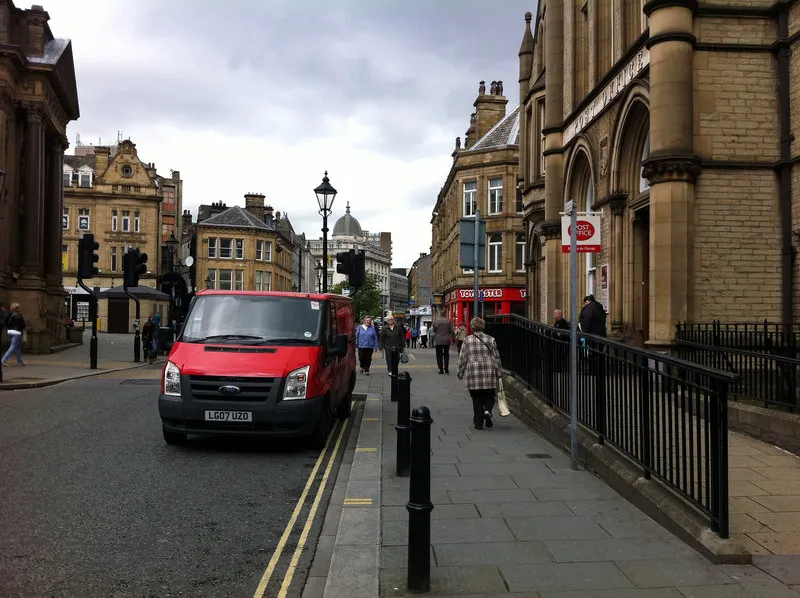
A skip on the public highway needs a permit from the local authority, and the rules vary considerably between councils. Some require reflective markings, some specify lamping, most stipulate maximum dimensions and duration. On London boroughs and other dense urban authorities, the permit may take days to issue and may be refused outright where the carriageway is a bus route or a red route.
Where a highway permit is unlikely, the alternatives are a private compound, a licensed waste transfer station with direct tipping, or a wait-and-load arrangement using a registered carrier. All of these need arranging before the first day, not on it.
It is also worth confirming, in writing, what the building's managing agent expects: which yard space is allocated, whether containers can remain overnight, and whether the landlord's own waste contractor must be used for certain streams.
Segregation That Operatives Will Actually Follow
Segregation fails when it asks too much of people under time pressure. A single mixed container is easy and expensive; a wall of six small containers is compliant and impractical. The workable middle ground is usually three or four clearly signed streams matched to the dominant materials of the phase.
Make the labels physical and legible. Position containers within sight of the work face. Brief the subcontracted trades directly, not only the main contractor's supervisors, because the electricians and the dryliners produce most of the arisings. And check the containers daily rather than weekly: contamination discovered on Friday costs a re-sort, contamination discovered within the hour costs a conversation.
Collection Timing Around Occupied Buildings
In a live building, the haulier's arrival time is a courtesy question as much as a logistical one. Collections that clash with the morning arrival of other tenants, or that block the service road at delivery peak, generate complaints that reach the landlord quickly — and landlords remember.
Agree collection windows in the site access plan and share them with the building manager. Where the goods lift is shared, book it. Where the yard is shared, coordinate. Where the site is a heritage building with a narrow entrance, check the vehicle size against the actual opening rather than the spec sheet.
Reuse, Donation and the Second Life of Strip-Out
A surprising proportion of strip-out material has a market. Raised floor tiles, ceiling grids, suspended luminaires, doorsets and furniture are frequently reusable, and there is a functioning secondary market through salvage dealers and charitable reuse organisations. Some local authorities and waste authorities run or signpost these services, particularly for bulky furniture and fittings.
Reuse is not free — it requires storage, condition checks and transport — but where the volumes are meaningful it can reduce container count and demonstrate a genuine circular approach. Record what is reused, donated or recycled, with weights where available, because that record supports the client's own sustainability reporting and is increasingly requested at handover.
Safety and the Interface With Live Operations
Waste creates hazards that are easy to overlook: manual handling of heavy bags, sharps and fixings in strip-out arisings, dust from skip loading, protruding fixings in discarded timber, and the traffic interface where a vehicle reverses into a shared yard. These belong in the construction phase plan and in the daily briefing, not only in the environmental section of the tender return.
Route planning should separate pedestrian movement from container loading, particularly where the public or other tenants share the entrance. Where chutes or hoists are used, exclusion zones need marking and enforcing.
Where the Cost Actually Sits
Waste is rarely a large line in a fit-out budget, which is exactly why it is often left unmanaged until it becomes one. The visible cost is the container and the collection. The invisible cost is the operative waiting for a container, the second collection because the first was contaminated, the abortive trip because the permit was not in place, and the programme extension when the goods lift was booked by somebody else.
Planning the route, the container and the timing before mobilisation costs a few hours of coordination. Left until first fix, the same questions cost days. On a tight city site, that is the whole argument in one sentence.